
Table of Contents
ToggleIf you’re searching for how to renovate an old house, you’re likely dealing with common challenges like outdated layouts, weak structures, hidden damage, and unexpected costs. With years of hands-on experience and trusted industry knowledge, one thing is clear—good home renovations start with a solid plan, not just good ideas. Older homes need careful checking, including things like the strength of the structure, the condition of the foundation, the plumbing, electrical systems, and insulation. If you skip this part, you might end up with costly errors and problems that last a long time.
In 2026, homeowners aren’t just making renovations for looks anymore—they’re choosing smart improvements that make their homes more energy efficient, safer, and more valuable. A great renovation combines skilled work, smart budgeting, and designs that work well for the future. This expert guide will help you move through each step with confidence, avoid big mistakes, and turn your old house into a strong, modern, and high-performing home.
Why Renovating an Old House Requires a Strategic Approach
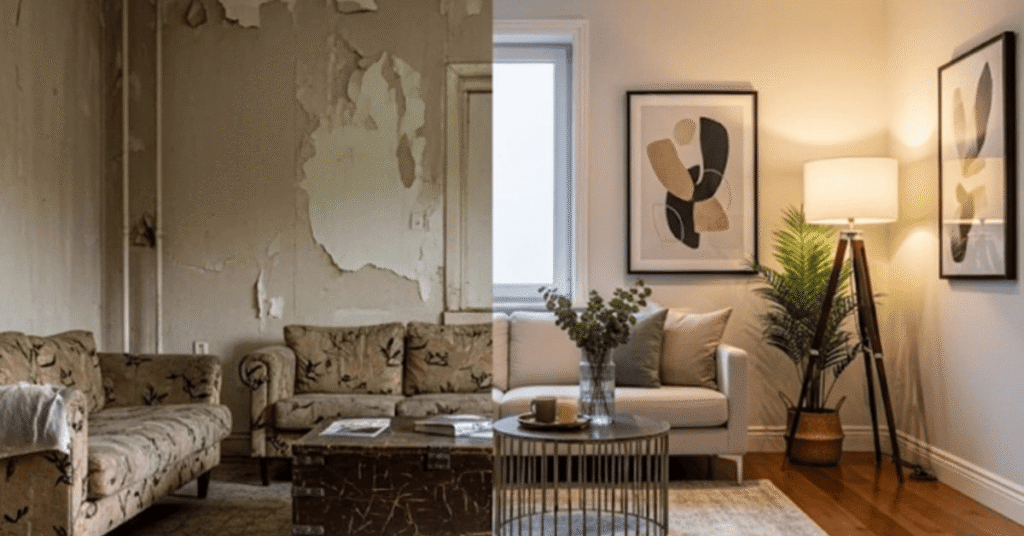
Old houses have character—but they also come with hidden challenges. From outdated electrical wiring to weak structural foundations, renovation is not just about looks; it’s about safety and long-term sustainability.
In my 25+ years of content and construction-industry experience, one common mistake homeowners make is starting with interiors instead of structural inspection. A beautiful living room means nothing if plumbing leaks later destroy your flooring.
Key renovation goals should include:
- Improving structural strength
- Updating electrical and plumbing systems
- Enhancing energy efficiency
- Modernizing design while maintaining charm
- Increasing resale value
When you understand how to renovate an old house, you start thinking like a strategist—not just a decorator.
Step 1: Inspect the House Like an Expert
Before breaking walls or choosing paint colors, start with a professional inspection.
What to check first:
- Foundation cracks
- Roof condition
- Water leakage signs
- Termite or pest damage
- Electrical wiring age
- Plumbing quality
Real-Life Example
A homeowner in Bangalore wanted a quick interior makeover for a 30-year-old house. During inspection, we discovered rusted pipelines hidden behind walls. Fixing this early saved them nearly ₹3 lakhs in future repairs.
Expert Tip: Always hire a structural engineer or certified contractor before planning renovations.
Step 2: Define Your Renovation Goals and Budget
Understanding How to Renovate an Old House starts with clarity. Ask yourself:
- Are you renovating for self-use or resale?
- Do you want a modern or classic style?
- Are you expanding space or upgrading existing rooms?
Budget Planning Formula (Expert Approach)
- 40% structural & essential upgrades
- 25% Interiors & design
- 20% Utilities (plumbing, electrical)
- 10% Contingency fund
- 5% Décor & finishing touches
Always keep extra funds ready—old homes often reveal unexpected issues.
Step 3: Plan the Layout Wisely
Older homes often have smaller rooms and closed layouts. Today’s homeowners prefer open, breathable spaces.
Smart layout improvements:
- Remove non-load-bearing walls
- Combine kitchen and dining areas
- Add natural light through larger windows
- Create storage solutions
Professional Insight
Many clients regret over-demolishing walls. The key is balance—keep structural stability while improving flow.
When thinking about how to renovate an old house, layout redesign can dramatically transform living quality without increasing square footage.
Step 4: Upgrade Electrical and Plumbing Systems
Old wiring may not handle modern appliances, and outdated plumbing can lead to leaks or low pressure.
What experts recommend:
- Replace aluminum wiring with copper.
- Install modular switchboards
- Upgrade to energy-efficient lighting
- Replace old pipes with PVC or CPVC.
- Install water-saving fixtures
Real Experience
In one project, homeowners ignored wiring upgrades to save money. Six months later, frequent power trips forced them to reopen walls—doubling costs.
Modern upgrades ensure safety and lower maintenance for years.
Step 5: Strengthen Structural Elements
If the property is over 20–30 years old, structural reinforcement is often needed.
Areas to reinforce:
- Roof slab waterproofing
- Wall cracks and beams
- Staircase stability
- Balcony safety
This stage is critical when learning how to renovate an old house because cosmetic upgrades without structural strength are risky.
Step 6: Improve Energy Efficiency (2026 Trend)
Modern renovation in 2026 focuses on sustainability and lower energy bills.
Energy-efficient upgrades:
- Double-glazed windows
- LED lighting
- Solar water heaters
- Insulated roofing
- Ventilation improvements
Real-Life Case
After installing proper insulation and natural ventilation, one homeowner reduced cooling costs by nearly 30%.
Energy upgrades increase resale value and improve long-term comfort.
Step 7: Flooring and Wall Renovation
Old houses usually have worn-out flooring or outdated wall finishes.
Best flooring options for renovation:
- Vitrified tiles for durability
- Wooden flooring for warmth
- Anti-skid tiles for bathrooms
- Polished concrete for modern style
Wall improvements:
- Crack filling and waterproofing
- Texture finishes
- Neutral color palettes for a spacious look
Keep designs timeless instead of trend-heavy—experts recommend choosing styles that age gracefully.
Step 8: Modern Kitchen Renovation
The kitchen is the heart of any home and significantly impacts property value.
Essential kitchen upgrades:
- Modular cabinets
- Chimney and ventilation
- Quartz or granite countertops
- Smart storage solutions
- Easy-to-clean surfaces
Expert Insight
A well-designed kitchen can increase perceived property value more than expensive décor items.
If you truly understand how to renovate an old house, prioritize function before luxury in kitchens.
Step 9: Bathroom Remodeling for Comfort & Hygiene
Older bathrooms often have poor drainage and ventilation.
Renovation checklist:
- Replace outdated sanitary fittings
- Improve waterproofing
- Install anti-slip tiles
- Add proper lighting.
- Use wall-hung fixtures for easy cleaning
Modern bathrooms are about simplicity, functionality, and hygiene.
Now comes the exciting part—transforming the house aesthetically.
Professional design tips:
- Use neutral base colors
- Add statement lighting
- Combine old architectural elements with modern décor.
- Use mirrors to create spaciousness.
- Incorporate indoor plants
Real Example
One family preserved old wooden beams while adding modern lighting—creating a stunning mix of heritage and modern style.
This is where experience matters most: respecting the house’s original soul while updating its functionality.
Conclusion
Successfully mastering how to renovate an old house comes down to planning, patience, and informed decision-making. From my experience, homeowners who follow a structured renovation process—starting with assessment, budgeting, and phased execution—achieve better results and avoid unnecessary expenses. Renovation is not just a short-term upgrade; it’s a long-term investment in your property’s safety, comfort, and resale value.
By applying the expert strategies outlined in this guide, you can minimize risks, control costs, and create a home that balances modern functionality with timeless appeal. With the right approach, even the oldest house can be transformed into a valuable and future-ready living space in 2026 and beyond.