
Table of Contents
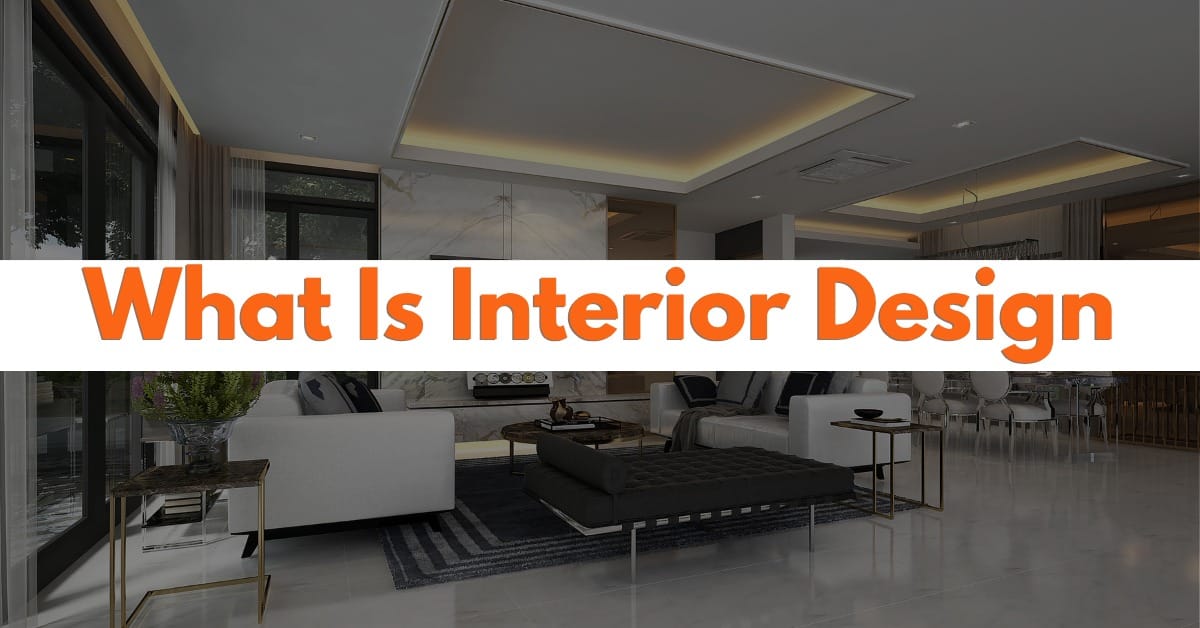
ToggleWhat Is Interior Design, and why has it become such an important part of modern architecture? Interior design is more than simply decorating a room with stylish furniture or attractive colors. It is the process of creating functional, aesthetically pleasing, and comfortable indoor spaces that improve the way people live, work, and interact.
In architecture, interior design plays a major role in shaping the experience of a space. From residential homes and offices to hotels and commercial buildings, well-planned interiors enhance usability, maximize space efficiency, and reflect the personality or purpose of the environment.
Today, interior design combines creativity, technical expertise, space planning, lighting concepts, and material selection to create balanced interiors that meet both functional and emotional needs. With the rise of modern architecture and smart living concepts, the demand for professional interior design services continues to grow rapidly.
In this complete guide, you will learn:
- What Is Interior Design in architecture
- The key principles and elements of interior design
- Different interior design styles
- The role of an interior designer
- Latest interior design trends and benefits
What Is Interior Design in Architecture?
Definition of Interior Design
Interior design is the art and science of enhancing the interior spaces of a building to create healthier, functional, and visually appealing environments. It involves planning layouts, selecting materials, choosing color schemes, arranging furniture, and improving lighting to achieve a balanced design.
In architecture, interior design works closely with structural planning to ensure that indoor spaces are practical, safe, and aesthetically attractive. While architecture focuses on the overall structure of a building, interior design concentrates on how people experience and interact with the internal space.
Many people confuse interior design with interior decoration. However, there is a significant difference between the two.
- Interior decoration mainly focuses on visual enhancements such as furniture, accessories, and wall colors.
- Interior design includes technical planning, functionality, ergonomics, lighting design, material selection, and space optimization.
A professional interior designer combines creativity with technical knowledge to create spaces that are both beautiful and functional.
Importance of Interior Design in Architecture
Enhances Functionality and Space Utilization
One of the biggest advantages of interior design is efficient space planning. A well-designed interior ensures that every area serves a practical purpose without feeling overcrowded or empty.
Professional interior designers carefully analyze:
- Room dimensions
- Furniture placement
- Traffic flow
- Storage solutions
- Lighting arrangements
This helps maximize available space while improving comfort and usability.
Improves Aesthetic Appeal
Interior design significantly impacts the visual appearance of a space. The right combination of colors, textures, lighting, and materials creates an inviting and elegant atmosphere,
Modern interior design focuses on:
- Clean layouts
- Harmonious color palettes
- Balanced textures
- Stylish furniture arrangements
A visually attractive interior can improve mood, increase productivity, and create a memorable experience.
Creates Comfortable Living Environments
Comfort is one of the core objectives of interior design. Proper lighting, ventilation, acoustics, and furniture placement contribute to creating spaces that feel relaxing and functional.
Whether it is a home, office, or commercial building, interior design improves the overall quality of life by making spaces more user-friendly and enjoyable.
Increases Property Value
Well-designed interiors can significantly increase the value of residential and commercial properties. Buyers and investors are often attracted to properties with modern layouts, premium finishes, and functional interiors.
Investing in quality interior design can provide long-term financial benefits and better market appeal.
Key Elements of Interior Design
Space Planning in Interior Design
Space planning is one of the most important aspects of interior design. It involves organizing furniture, pathways, and functional zones to ensure smooth movement and efficient use of space.
Good space planning helps:
- Improve room functionality
- Enhance comfort
- Avoid clutter
- Maximize storage solutions
Modern interior design often uses open floor plans to create spacious and connected environments.
Color Psychology in Interior Design
Colors play a powerful role in influencing emotions and atmosphere. Different colors create different moods within a space.
For example:
- Blue creates a calm and relaxing environment
- White gives a clean and spacious appearance
- Green promotes freshness and balance
- Yellow adds warmth and energy
Professional interior designers carefully choose color combinations based on the purpose and function of each room.
Lighting Design for Interiors
Lighting is essential for both functionality and aesthetics. Proper lighting improves visibility, highlights design elements, and enhances the ambiance of a room.
Interior designers use different types of lighting, including:
- Ambient lighting
- Task lighting
- Accent lighting
- Decorative lighting
Natural lighting is also an important element in modern architecture because it improves energy efficiency and creates healthier indoor environments.
Furniture and Material Selection
Furniture selection directly affects comfort, style, and functionality. Interior designers choose furniture based on:
- Room size
- User needs
- Design theme
- Material durability
Modern interior design also focuses on sustainable and eco-friendly materials such as:
- Recycled wood
- Natural stone
- Bamboo
- Energy-efficient finishes
Types of Interior Design Styles
Modern Interior Design
Modern interior design focuses on simplicity, clean lines, and functional layouts. It often includes:
- Neutral color palettes
- Minimal furniture
- Open spaces
- Sleek finishes
This style is highly popular in contemporary homes and apartments.
Contemporary Interior Design
Contemporary interior design reflects current design trends and evolving styles. Unlike modern design, it continuously changes over time.
Common features include:
- Minimalist aesthetics
- Smart technology integration
- Bold accent elements
- Open and flexible layouts
Minimalist Interior Design
Minimalist interior design follows the principle of “less is more.” It emphasizes:
- Simplicity
- Clean surfaces
- Functional furniture
- Clutter-free environments
This style creates peaceful and highly organized spaces.
Scandinavian Interior Design
Scandinavian interiors combine simplicity, comfort, and natural materials. Key characteristics include:
- Light color schemes
- Wooden textures
- Functional furniture
- Natural lighting
This style is ideal for creating warm and inviting living spaces.
Role of an Interior Designer in Architecture
An interior designer is responsible for creating functional and visually appealing indoor spaces. Their work includes:
- Space planning
- Furniture selection
- Material coordination
- Lighting design
- Color selection
- Project supervision
Interior designers often collaborate with architects, engineers, and contractors to ensure smooth project execution.
Skills Required for Interior Design
Professional interior designers require both creative and technical skills, including:
- Creativity and innovation
- Communication skills
- Project management
- 3D visualization
- CAD software knowledge
- Problem-solving abilities
These skills help designers create customized spaces that meet client expectations.
Latest Trends in Interior Design
Smart homes are becoming increasingly popular in modern architecture. Interior designers now integrate technologies such as:
- Smart lighting systems
- Automated curtains
- Voice-controlled appliances
- Smart security systems
These innovations improve convenience, comfort, and energy efficiency.
Sustainable Interior Design
Eco-friendly interior design focuses on reducing environmental impact by using:
- Sustainable materials
- Energy-efficient lighting
- Recycled products
- Natural ventilation systems
Sustainable interiors are becoming a major trend in residential and commercial architecture.
Biophilic Interior Design
Eco-friendly interior design focuses on reducing environmental impact by using:
- Sustainable materials
- Energy-efficient lighting
- Recycled products
- Natural ventilation systems
Sustainable interiors are becoming a major trend in residential and commercial architecture.
Benefits of Interior Design in Modern Architecture
Professional interior design offers several long-term benefits, including:
- Better space optimization
- Improved comfort and functionality
- Enhanced visual appeal
- Increased property value
- Higher energy efficiency
- Personalized living experiences
A thoughtfully designed interior creates a balance between aesthetics and practicality.
Common Mistakes to Avoid in Interior Design
Many people make design mistakes that reduce functionality and visual appeal. Common mistakes include:
- Poor lighting arrangements
- Overcrowded furniture layouts
- Ignoring storage needs
- Choosing style over comfort
- Using inconsistent color schemes
Hiring experienced interior designers can help avoid these costly mistakes.
Future of Interior Design in Architecture
The future of interior design is evolving rapidly with advancements in technology and sustainability. Emerging trends include:
- AI-powered design tools
- Smart adaptive interiors
- Sustainable construction materials
- Virtual reality visualization
- Multifunctional living spaces
As modern lifestyles continue to change, interior design will play an even greater role in shaping comfortable and efficient environments.
Conclusion
Understanding What Is Interior Design helps people appreciate the importance of creating spaces that are both functional and visually appealing. Interior design in architecture is not just about decoration; it is a strategic process that combines creativity, technical planning, and user experience to improve indoor environments.
From space planning and lighting design to furniture selection and sustainability, every element contributes to creating better living and working spaces. Whether designing a home, office, or commercial property, professional interior design enhances comfort, efficiency, and long-term value.
As modern architecture continues to evolve, interior design will remain an essential part of creating smarter, healthier, and more beautiful spaces for the future.