
Table of Contents
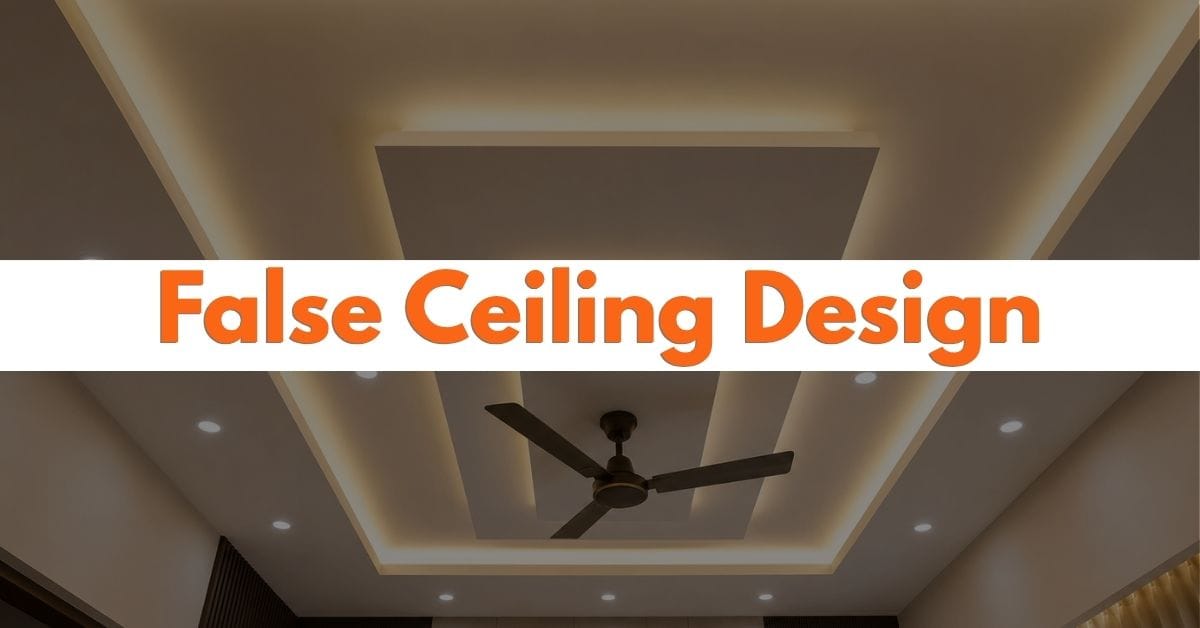
ToggleA well-planned false ceiling design can completely transform the appearance and functionality of a home. Beyond enhancing aesthetics, modern false ceilings help improve lighting, conceal electrical wiring, reduce heat, and create a more comfortable living environment. Whether you’re building a new house, renovating an apartment, or upgrading a single room, choosing the right ceiling design can significantly impact the overall look and feel of your space.
For example, one homeowner renovating a 3BHK apartment wanted to make their living room feel more spacious and luxurious without changing the floor plan. Instead of investing in expensive structural modifications, they installed a layered gypsum false ceiling with concealed LED lighting. The result was a brighter, more modern interior that created the perception of a larger room while improving energy efficiency.
This is why false ceilings have become one of the most requested interior design upgrades in modern Indian homes.
In this comprehensive guide, you’ll learn about different false ceiling types, materials, benefits, costs, room-wise design ideas, and expert tips to help you choose the best solution for your home.
What Is a False Ceiling Design?
A false ceiling, also known as a suspended ceiling or drop ceiling, is a secondary ceiling installed below the main structural ceiling. It creates a gap between the original ceiling and the visible surface, allowing homeowners to conceal wiring, ducts, pipes, and lighting fixtures while enhancing the room’s appearance.
Today, false ceilings are commonly used in:
- Living rooms
- Bedrooms
- Dining areas
- Home offices
- Commercial spaces
- Luxury apartments
- Independent houses
Why Are False Ceilings So Popular?
Modern homeowners increasingly prioritize both aesthetics and functionality. A false ceiling helps achieve both goals simultaneously.
Consider a newly constructed home with a plain concrete ceiling. While structurally sound, the room may look unfinished and lack visual appeal. By adding a thoughtfully designed false ceiling with integrated lighting, the same space can instantly feel more sophisticated, warm, and inviting.
Key Benefits of False Ceiling Design
Enhanced Interior Appearance
One of the primary reasons homeowners invest in false ceilings is visual appeal. From minimalist designs to luxury layered ceilings, there are countless options available to match different architectural styles.
Better Lighting Distribution
False ceilings allow the installation of:
- Cove lighting
- Recessed lights
- LED strip lights
- Spotlights
- Decorative chandeliers
These lighting solutions create a balanced ambience while reducing harsh shadows.
Improved Thermal Insulation
In cities that experience high temperatures, false ceilings can help reduce heat transfer from the roof to the room below. This can contribute to improved indoor comfort and lower cooling requirements.
Concealed Wiring and Services
Electrical wiring, AC ducts, and plumbing lines can often make ceilings appear cluttered. A false ceiling provides a clean and organized appearance by hiding these elements from view.
Better Acoustic Performance
Bedrooms, home theaters, and workspaces often benefit from reduced noise transmission. Certain false ceiling materials help absorb sound and improve room acoustics.
Types of False Ceiling Designs
Selecting the right material is one of the most important decisions during installation. Each option offers unique advantages depending on budget, aesthetics, and maintenance requirements.
POP False Ceiling Design
POP (Plaster of Paris) remains one of the most widely used materials for creating customized ceiling patterns and decorative elements.
Advantages
- Highly customizable
- Smooth finish
- Suitable for intricate designs
- Cost-effective for many projects
Best For
- Living rooms
- Dining rooms
- Decorative ceiling patterns
A POP ceiling is often chosen by homeowners who want unique designs and detailed ceiling artwork that adds character to their interiors.
Related Reading: Explore our detailed guide on POP Ceiling Design to understand the latest styles, advantages, and cost considerations.
Gypsum False Ceiling Design
Gypsum ceilings are increasingly preferred in modern homes because of their clean appearance, quick installation, and low maintenance requirements.
Many interior designers recommend gypsum ceilings for homeowners seeking a contemporary aesthetic.
Advantages
- Lightweight construction
- Faster installation
- Smooth factory-finished boards
- Crack-resistant performance
Best For
- Modern apartments
- Bedrooms
- Living rooms
- Home offices
A modern living room false ceiling often uses gypsum boards because they create sleek lines, support concealed lighting, and offer a premium finish.
Related Reading: Learn more about Gypsum Ceiling Design, including current trends, pricing, and installation tips.
False Ceiling Design Ideas for Different Rooms
Living Room False Ceiling Design
The living room is often the focal point of a home and the first space visitors notice. A thoughtfully designed living room false ceiling can instantly elevate the room’s appearance while improving lighting and ambience.
Popular options include:
- Cove lighting ceilings
- Layered gypsum ceilings
- Geometric ceiling patterns
- Minimalist false ceiling designs
- Luxury ceiling concepts with chandeliers
For example, many modern apartments use a gypsum living room false ceiling with LED strip lighting around the perimeter to create a sophisticated and spacious look.
Related Reading: Discover the latest Living Room False Ceiling Design ideas for modern homes.
Bedroom False Ceiling Design
Bedrooms require a calm and comfortable environment. A simple false ceiling design with warm lighting can create a relaxing atmosphere while enhancing aesthetics.
Popular bedroom ceiling trends include:
- Minimalist ceiling designs
- Wooden accents
- Cove lighting
- Soft indirect lighting solutions
Related Reading: Explore stylish Bedroom Ceiling Design ideas for modern and luxury homes.
How to Choose the Right False Ceiling Material
Before selecting a false ceiling, consider:
Budget
Different materials come with different installation and maintenance costs.
Room Usage
A living room false ceiling may prioritize aesthetics, while a kitchen ceiling may focus on moisture resistance.
Climate Conditions
Areas with higher humidity may require materials that resist moisture and warping.
Design Preferences
Choose a material that aligns with your home’s interior style.
Maintenance Requirements
Some ceiling materials require less upkeep and are easier to repair.
Latest False Ceiling Design Trends for 2026
Modern homeowners are increasingly choosing:
- Minimalist false ceiling designs
- Smart lighting integration
- Layered ceiling concepts
- Sustainable materials
- Geometric ceiling patterns
- Luxury living room false ceiling designs with hidden lighting
These trends focus on combining functionality with visual appeal while supporting energy-efficient living.
Conclusion
Choosing the right false ceiling design is about more than improving the appearance of your home. A well-planned ceiling can enhance lighting, improve thermal comfort, conceal wiring, and add long-term value to your property. Whether you prefer a modern gypsum ceiling, a decorative POP design, or a budget-friendly ceiling solution, selecting the right material and design for each room is essential.
For example, a thoughtfully designed living room false ceiling with cove lighting can create a welcoming atmosphere for guests, while a simple bedroom ceiling can make your personal space feel more comfortable and relaxing. The key is to balance aesthetics, functionality, maintenance requirements, and budget.
As you plan your home interiors, consider factors such as room size, ceiling height, lighting needs, and future maintenance before making a decision. The best false ceiling design is one that complements your lifestyle while enhancing the overall look and feel of your home.
To help you make an informed choice, explore our detailed guides on:
By understanding different ceiling materials, design trends, and installation considerations, you can create a stylish, functional, and future-ready home that stands the test of time.
FAQ
1. What is the best material for a false ceiling?
Gypsum is the best material for most homes due to its durability, smooth finish, and affordability. POP is ideal for customized designs, while PVC works well in moisture-prone areas.
2. What is the cost of a false ceiling per square foot in India?
False ceiling costs in India typically range from ₹60 to ₹150 per sq. ft., depending on the material, design, and installation requirements.
3. Which is better: POP or gypsum false ceiling?
Gypsum false ceilings are easier to install and maintain, while POP ceilings offer greater design flexibility. Gypsum is generally preferred for modern homes.
4. What are the benefits of installing a false ceiling?
A false ceiling improves aesthetics, hides wiring, enhances lighting, reduces noise, and provides better thermal insulation.
5. Can a false ceiling reduce heat and improve energy efficiency?
Yes, a false ceiling helps reduce heat transfer and keeps rooms cooler, which can improve energy efficiency and lower cooling costs.