
Table of Contents
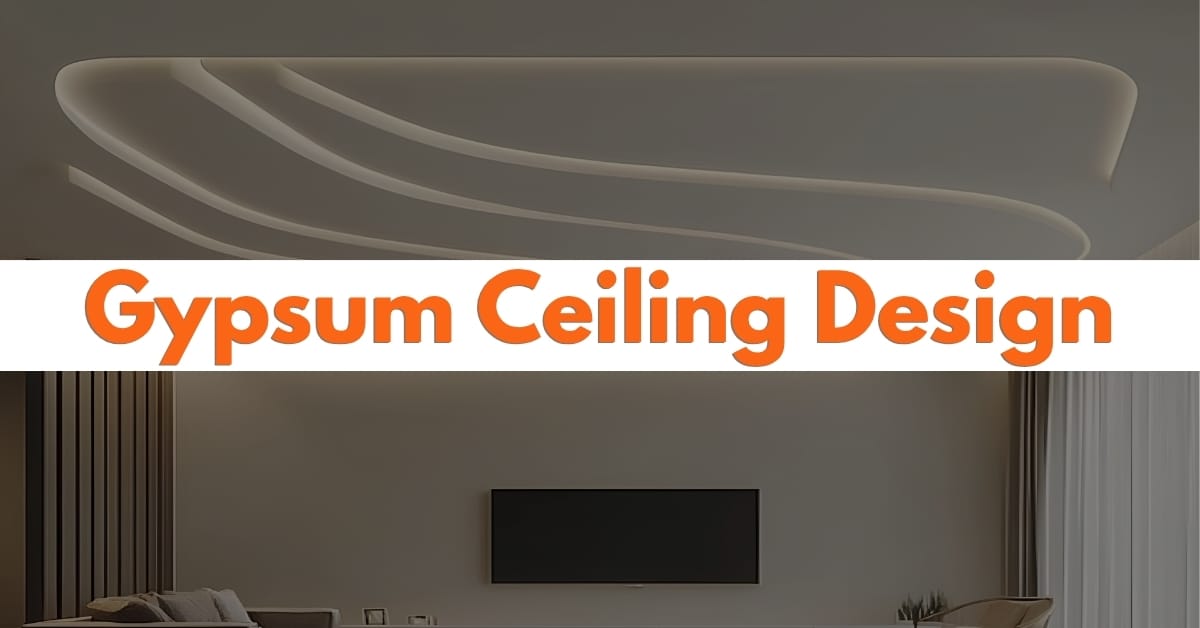
ToggleA well-planned gypsum ceiling design is one of the most effective ways to create a modern, elegant, and functional interior space. From luxury villas and premium apartments to compact urban homes, gypsum ceilings have become a preferred choice among homeowners, architects, and interior designers due to their clean finish, quick installation, and versatility.
Many homeowners focus heavily on flooring, wall finishes, and furniture while overlooking the ceiling. However, experienced interior designers often consider the ceiling a critical design element that can dramatically influence the appearance, lighting, and overall ambiance of a room.
For example, a family renovating their apartment wanted a contemporary look without undertaking a major renovation. Instead of altering the room layout, they installed a gypsum false ceiling with concealed LED lighting. The transformation was remarkable—the room appeared more spacious, brighter, and significantly more premium while staying within budget.
Whether you’re designing a new home or upgrading an existing space, understanding the advantages, limitations, costs, and latest trends of gypsum ceilings can help you make an informed decision.
In this guide, we’ll cover everything you need to know about gypsum ceiling design, including benefits, drawbacks, pricing, room-wise ideas, and modern design trends.
What Is a Gypsum Ceiling Design?
A gypsum ceiling is a type of false ceiling design made using gypsum boards attached to a metal framework suspended below the original ceiling.
Gypsum is a naturally occurring mineral that is processed into lightweight boards, making it one of the most widely used materials for modern ceiling installations.
Gypsum ceilings are commonly installed in:
- Living rooms
- Bedrooms
- Dining areas
- Home offices
- Hotels
- Commercial spaces
- Luxury apartments
Because gypsum boards come with a factory-finished smooth surface, they offer a sleek and contemporary appearance that requires minimal finishing work.
Benefits of Gypsum Ceiling Design
1. Modern and Elegant Appearance
A gypsum ceiling is a type of false ceiling design made using gypsum boards attached to a metal framework suspended below the original ceiling.
Gypsum is a naturally occurring mineral that is processed into lightweight boards, making it one of the most widely used materials for modern ceiling installations.
Gypsum ceilings are commonly installed in:
- Living rooms
- Bedrooms
- Dining areas
- Home offices
- Hotels
- Commercial spaces
- Luxury apartments
Because gypsum boards come with a factory-finished smooth surface, they offer a sleek and contemporary appearance that requires minimal finishing work.
2. Quick Installation
Gypsum ceilings are manufactured as ready-made boards, allowing faster installation compared to many traditional ceiling materials.
This reduces construction time and labor requirements.
3. Lightweight Construction
Gypsum boards are lightweight, placing less load on the building structure.
This makes them suitable for both residential and commercial projects.
4. Excellent Lighting Integration
A major advantage of gypsum ceilings is their compatibility with modern lighting systems.
Popular lighting options include:
- Cove lighting
- LED strip lights
- Spotlights
- Recessed lights
- Pendant lighting
Many homeowners choose gypsum for a modern living room false ceiling because it supports elegant concealed lighting designs.
5. Smooth Factory Finish
Gypsum boards offer a uniform surface that minimizes visible imperfections.
This helps create a premium and professional appearance throughout the home.
6. Fire-Resistant Properties
Gypsum naturally contains water molecules that improve its fire-resistant capabilities, making it a safer option for many residential applications.
Disadvantages of Gypsum Ceiling Design
While gypsum ceilings offer many advantages, homeowners should also understand their limitations.
1. Limited Customization Compared to POP
Although gypsum can create modern designs, it may not offer the same level of intricate detailing as POP ceilings.
Homeowners seeking highly decorative patterns may prefer POP.
Related Reading: Explore our guide on POP Ceiling Design for customized ceiling concepts.
2. Moisture Sensitivity
Standard gypsum boards may be vulnerable to moisture damage if installed in areas with excessive humidity or water leakage.
Moisture-resistant gypsum boards can help address this issue.
3. Repair Challenges
In some cases, damaged gypsum sections may require partial replacement rather than simple patchwork repairs.
Proper installation significantly reduces future maintenance issues.
Gypsum Ceiling Design Ideas for Different Rooms
Gypsum Ceiling Design for Living Room
The living room is one of the most popular spaces for gypsum ceiling installation.
Popular designs include:
- Cove lighting ceilings
- Layered ceiling concepts
- Geometric patterns
- Minimalist ceiling layouts
- Luxury chandelier ceilings
A modern living room false ceiling using gypsum can create a spacious and welcoming environment while enhancing lighting quality.
Related Reading: Discover stylish Living Room False Ceiling Design ideas for modern homes.
Gypsum Ceiling Design for Bedroom
Bedrooms benefit greatly from gypsum ceilings because they create a calm and relaxing atmosphere.
Popular bedroom ideas include:
- Warm cove lighting
- Minimalist ceiling layouts
- Indirect lighting systems
- Layered ceiling concepts
Many homeowners choose gypsum ceilings to achieve a premium hotel-inspired bedroom design.
Related Reading: Explore modern Bedroom Ceiling Design Ideas for Modern and Luxury Homes.
Gypsum Ceiling Design for Dining Room
Dining areas often use simple gypsum ceilings combined with pendant lighting to create an elegant and inviting atmosphere.
Gypsum Ceiling Design for Home Office
With remote work becoming more common, homeowners are increasingly investing in stylish home office interiors.
Gypsum ceilings help create a professional and productive environment while supporting integrated lighting solutions.
Modern Gypsum Ceiling Design Trends for 2026
Minimalist Ceiling Designs
Minimalism continues to dominate interior design trends.
Clean lines and simple lighting arrangements remain highly popular among homeowners.
Smart Lighting Integration
Smart LED systems are increasingly incorporated into gypsum ceilings.
Benefits include:
- Adjustable brightness
- Mood lighting
- Energy efficiency
- Smartphone control
Geometric Ceiling Patterns
Modern homes are embracing:
- Linear designs
- Square layouts
- Circular ceiling concepts
- Symmetrical patterns
These designs create visual interest without overwhelming the room.
Luxury Layered Ceilings
Multi-level gypsum ceilings remain a preferred choice for premium residential interiors.
They create depth while improving lighting aesthetics.
Gypsum Ceiling vs POP Ceiling
Many homeowners compare gypsum and POP before making a final decision.
Choose Gypsum If:
- You prefer a modern aesthetic
- Faster installation is important
- Low maintenance is a priority
- Clean finishes are desired
Choose POP If:
- You want decorative patterns
- Customized ceiling details are required
- Traditional craftsmanship is preferred
Both materials offer unique advantages, and the best choice depends on your design goals and budget.
Expert Tips Before Installing a Gypsum Ceiling
Assess Ceiling Height
Rooms with lower ceilings may benefit from simpler designs.
Plan Lighting Early
Lighting layouts should be finalized before installation begins.
Use Quality Materials
High-quality boards improve durability and appearance.
Hire Experienced Professionals
Professional installation significantly impacts the longevity and finish of the ceiling.
Focus on Functionality
Choose a design that balances aesthetics, comfort, and maintenance requirements.
Conclusion
A gypsum ceiling design is one of the best investments homeowners can make when upgrading their interiors. Its smooth finish, modern appearance, quick installation, and compatibility with advanced lighting systems make it a popular choice for contemporary homes.
Whether you’re designing a stylish bedroom, upgrading a dining area, or creating a premium living room with a false ceiling, gypsum offers a practical and visually appealing solution. While factors such as moisture exposure and design requirements should be considered, the advantages often outweigh the limitations for most residential applications.
Before selecting a ceiling design, evaluate your room size, ceiling height, lighting needs, maintenance expectations, and budget. Working with experienced professionals can help ensure a durable and aesthetically pleasing result.
For additional inspiration and expert guidance, explore our related resources:
With proper planning and installation, a gypsum ceiling can transform an ordinary room into a modern, elegant, and comfortable living space that enhances your home for years to come.